
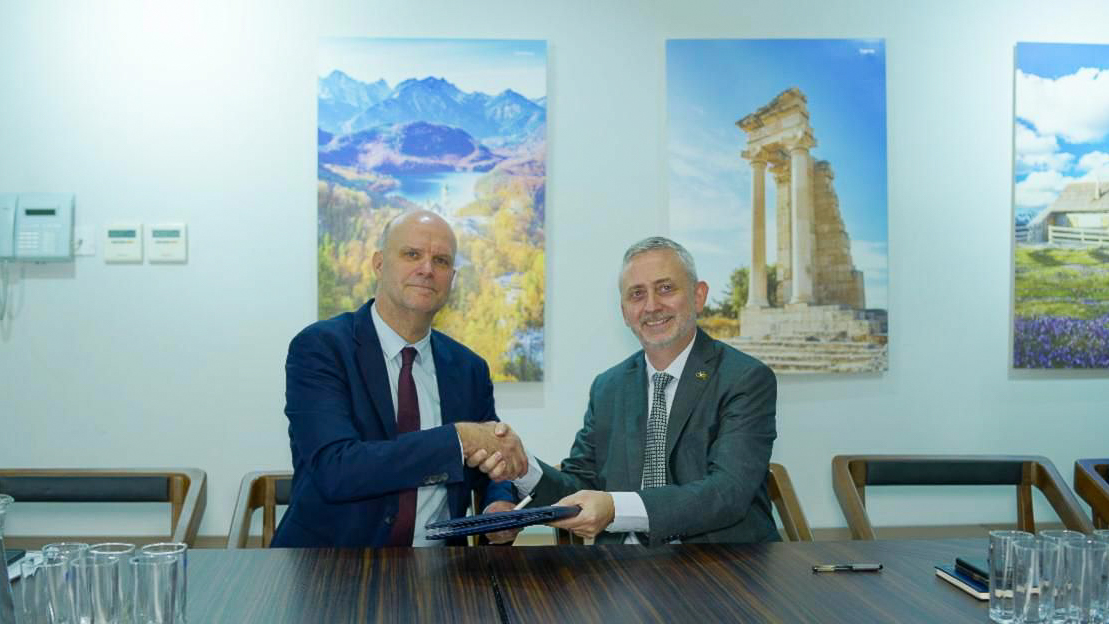
 The European Union (EU) has announced an additional €14 million in funding to support nearly 1.2 million Rohingya refugees living in camps in Cox’s Bazar and the local host communities in Bangladesh. The announcement was made jointly by the EU and the United Nations High Commissioner for Refugees (UNHCR) on Thursday.
The new funding will help sustain essential protection and humanitarian assistance for Rohingya refugees while also benefiting approximately 70,000 members of the Bangladeshi host communities. The support will expand access to skills development programs and promote the use of clean cooking fuel, including Liquefied Petroleum Gas (LPG).
Speaking on the occasion, Michael Miller, Ambassador and Head of the European Union Delegation to Bangladesh, said the Rohingya crisis has become a protracted one, requiring not only emergency assistance but also greater investment in education, skills development, and livelihood opportunities.
“This additional €14 million will support local communities in Cox’s Bazar while increasing access to education and vocational skills training for Rohingya refugees. It aims to improve their living conditions, preserve their dignity, strengthen their resilience, and prepare them for a voluntary, safe, and dignified return to Myanmar when conditions allow,” he said.
Ivo Freijsen, UNHCR Representative in Bangladesh, emphasized the importance of continued support for Rohingya families who have endured years of hardship.
“We are grateful to the European Union for its continued solidarity with Rohingya refugees. This contribution will help ensure access to essential protection services, meet basic needs, and sustain hope for a safer and more dignified future,” he said.
According to the EU and UNHCR, Rohingya refugees remain highly vulnerable due to overcrowded camp conditions, limited resources, and prolonged displacement. Safe shelter, adequate lighting, community-based protection mechanisms, and accessible complaint systems are critical to safeguarding their rights and dignity. Women and children, in particular, face heightened risks of gender-based violence, trafficking, and exploitation.
The organizations noted that the use of LPG reduces the need for women and children to collect firewood outside the camps, enhancing their safety while also reducing health risks and environmental degradation. Expanding livelihood and skills development opportunities is also essential to helping refugees become more self-reliant and regain a sense of purpose.
The funding announcement comes ahead of World Refugee Day, observed annually on June 20, which honors the resilience and strength of people forced to flee their homes due to conflict and persecution. The day also serves as an opportunity to reaffirm solidarity with displaced populations and recognize the contributions of host communities.
UNHCR is working closely with the Government of Bangladesh, humanitarian partners, and donors to implement the 2025–2026 Joint Response Plan (JRP) for the Rohingya crisis. The plan requires US$710 million this year to meet the urgent needs of 1.2 million Rohingya refugees, including new arrivals, and to support them until conditions allow for their safe, voluntary, and dignified repatriation to Myanmar.